Overheating of a corner fireplace casing must be clarified before repairing the plaster. In the corner, it is easy to limit space for air flow or access to adjacent surfaces. Recurring cracks and detachment of the finish may be the result of the entire structure’s movement, not just an improper outer layer.
First, check the air path
Compare the position of the intake and exhaust openings with the insert instructions. Check if the grilles are not blocked by furniture, decoration, or new finishes. Not only the visible grille matters, but also the space that air has to pass through inside the enclosure.
In a corner installation, inspect both walls adjacent to the insert and the areas near structural narrowing. Added insulation or ductwork cannot take away the space required for airflow. Ventilation dimensions and areas are determined for a specific appliance.
Materials have different functions
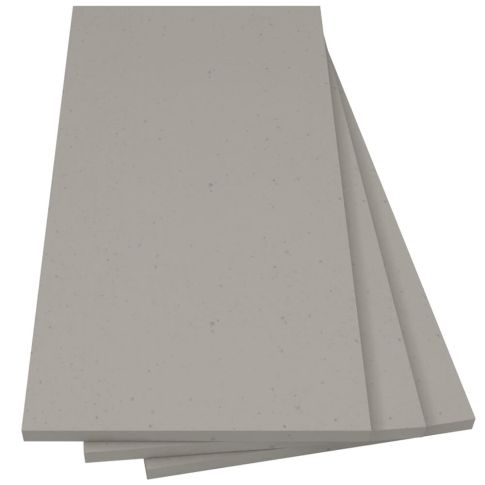
Plate HT is a different solution than insulation or thermal mass. When replacing the material, its position, support, fastenings, and compliance with the planned finish must be checked. High thermal resistance alone does not allow the function of the layers to be replaced.
Tynk FR can create the intended layer on a compatible substrate. However, it does not eliminate lack of ventilation or improper spacing from the adjacent partition. The new surface should be created after the working conditions of the enclosure have been organized.
Information useful during inspection
Record the model of the insert, the locations of cracks, and the moment they appear. Take photos of the grids and available connections. Inform the installer whether the enclosure has been modified or additionally insulated. This will make it easier to assess whether the problem is related to ventilation, support, or thermal expansion.
If you suspect the partition is overheating, notice an unusual smell, or see visible damage, stop using it until it has been inspected. After repairing the cause, then choose the primer, plaster, and paint according to the actual substrate and temperatures. The next finishing layer should not cover an unrecognized problem.